Angled Bob Hair: A-Line Bob Ideas and AI Try-On
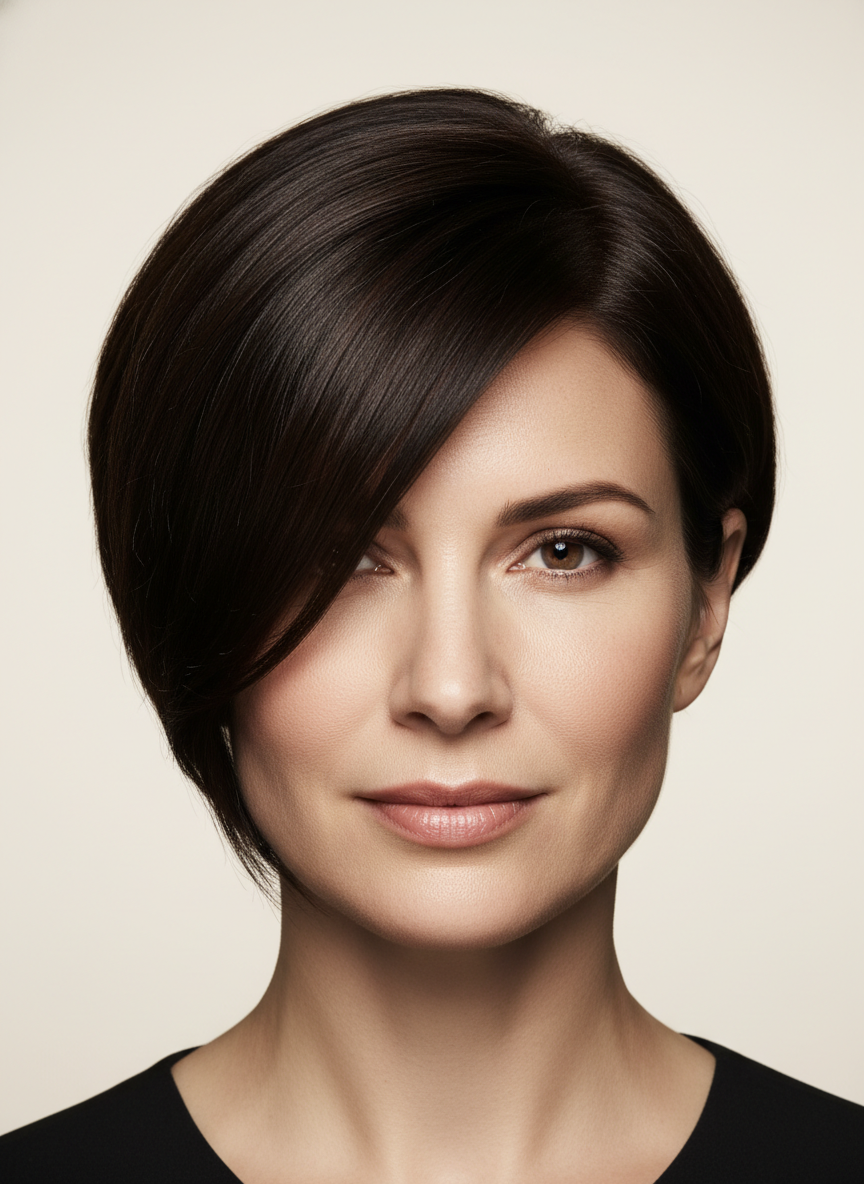
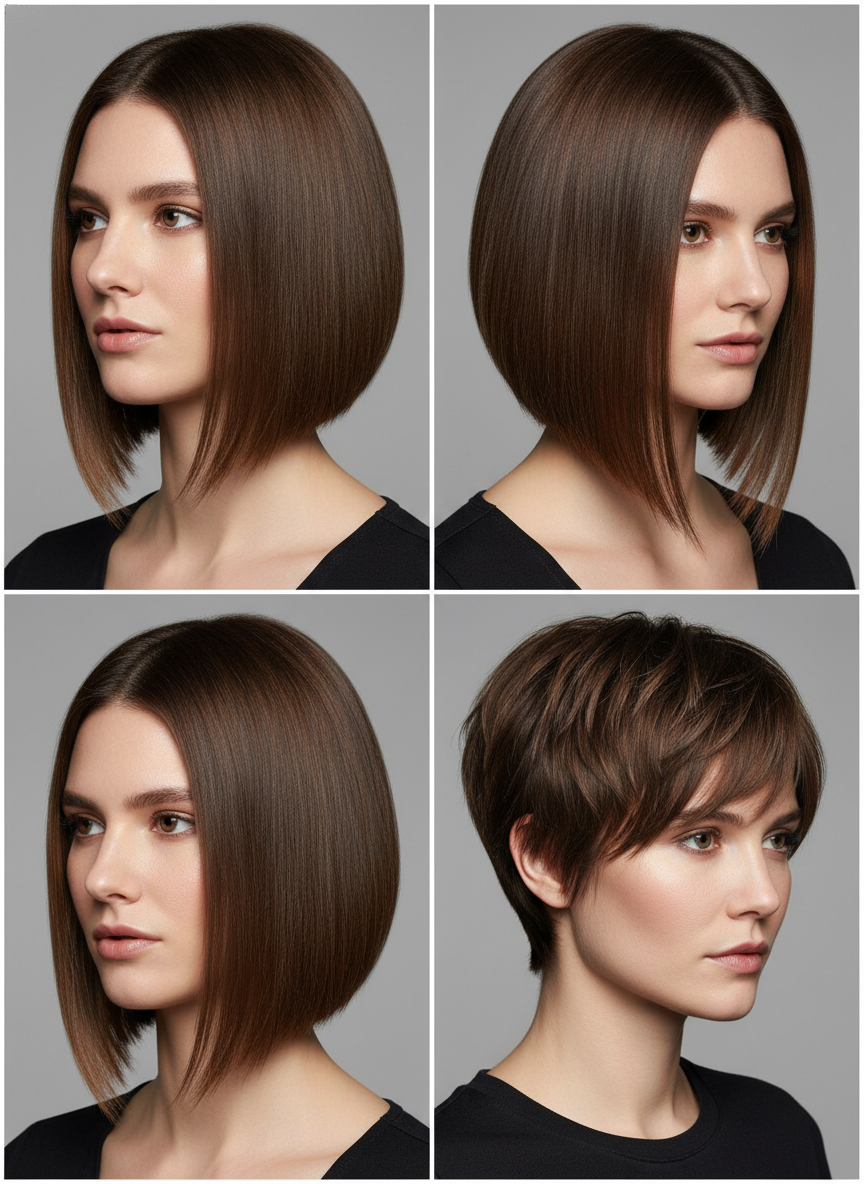
Angled bob hair is a bob haircut with a slanted shape, usually shorter in the back and longer toward the front. The angle can be subtle or dramatic, creating face-framing length around the jaw while keeping the back lighter, cleaner, and easier to style.
Definition
What Is Angled Bob Hair?
An angled bob is defined by a slanted line from the back of the neck to the front of the face. The shape can be a soft, almost-imperceptible slope or a bold, dramatic angle that drops several inches lower in the front than in the back.
Best for
Face-framing shape, structured side profile, modern bob looks
Hair type
Straight, wavy, fine, medium, or thick hair with enough density
Maintenance
Medium; trims every 6-8 weeks keep the front length and back shape sharp
Style vibe
Polished, modern, sculpted, confident, and structured
Shape
Key Features of an Angled Bob Haircut
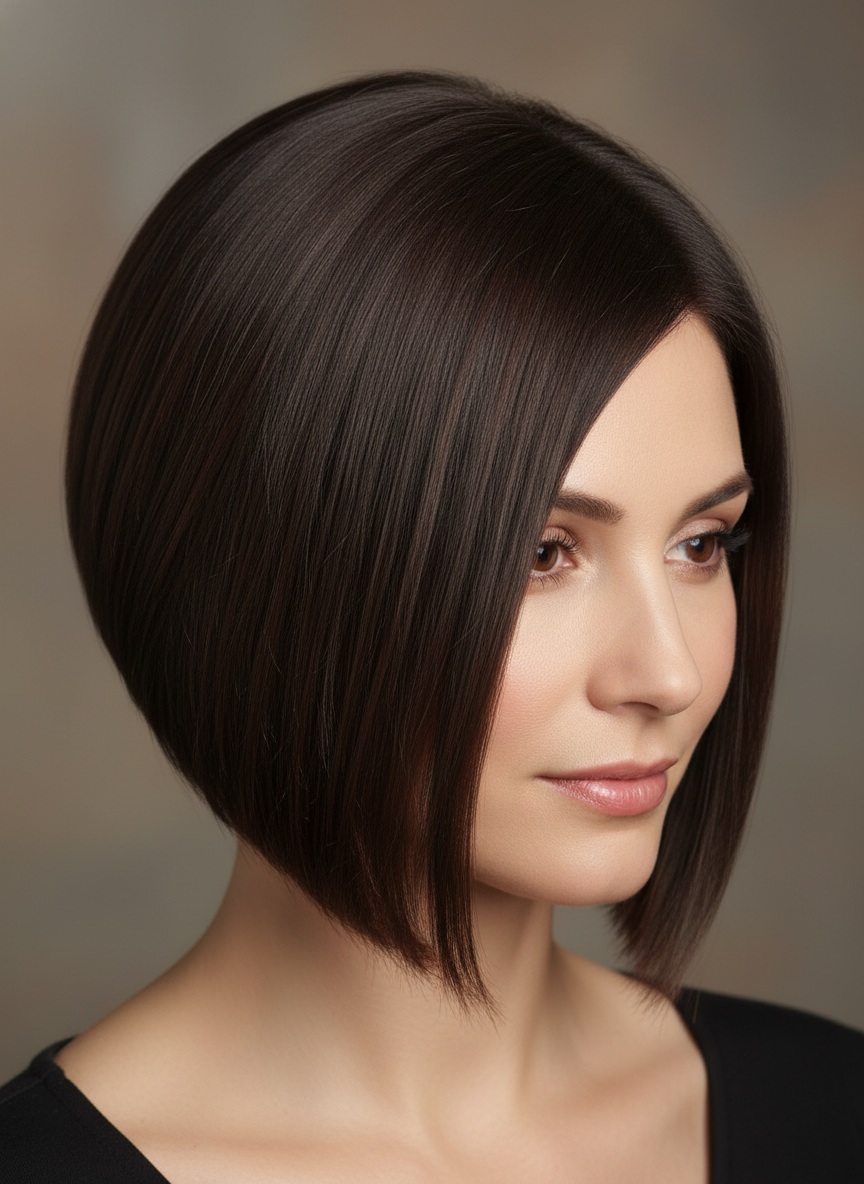
An angled bob is best understood as a slanted bob. The angle itself is the headline feature, but the front length, back shape, and layering determine whether the result feels subtle, dramatic, or somewhere in between.
Angle
A clear, visible slope from the back of the neck up to the front of the face is the defining trait.
Front length
The front pieces can reach the chin, jaw, collarbone, or beyond depending on how dramatic the angle is.
Back length
The back is usually cut noticeably shorter so the silhouette stays clean and lightweight.
Neckline
A stacked, tapered, or clean nape keeps the back from feeling heavy or blocky under the longer front.
Layers
Subtle, invisible, or stacked layering can add movement and volume without losing the angled shape.
Styling
The goal is a polished, sculpted finish that shows the angle clearly, with light texture to keep it wearable.
Ideas
Angled Bob Hair Ideas
Use these angled bob ideas as stylist references or as starting points for an AI hairstyle preview. Each card maps to a common search intent from the angled bob cluster.
angled bob hair
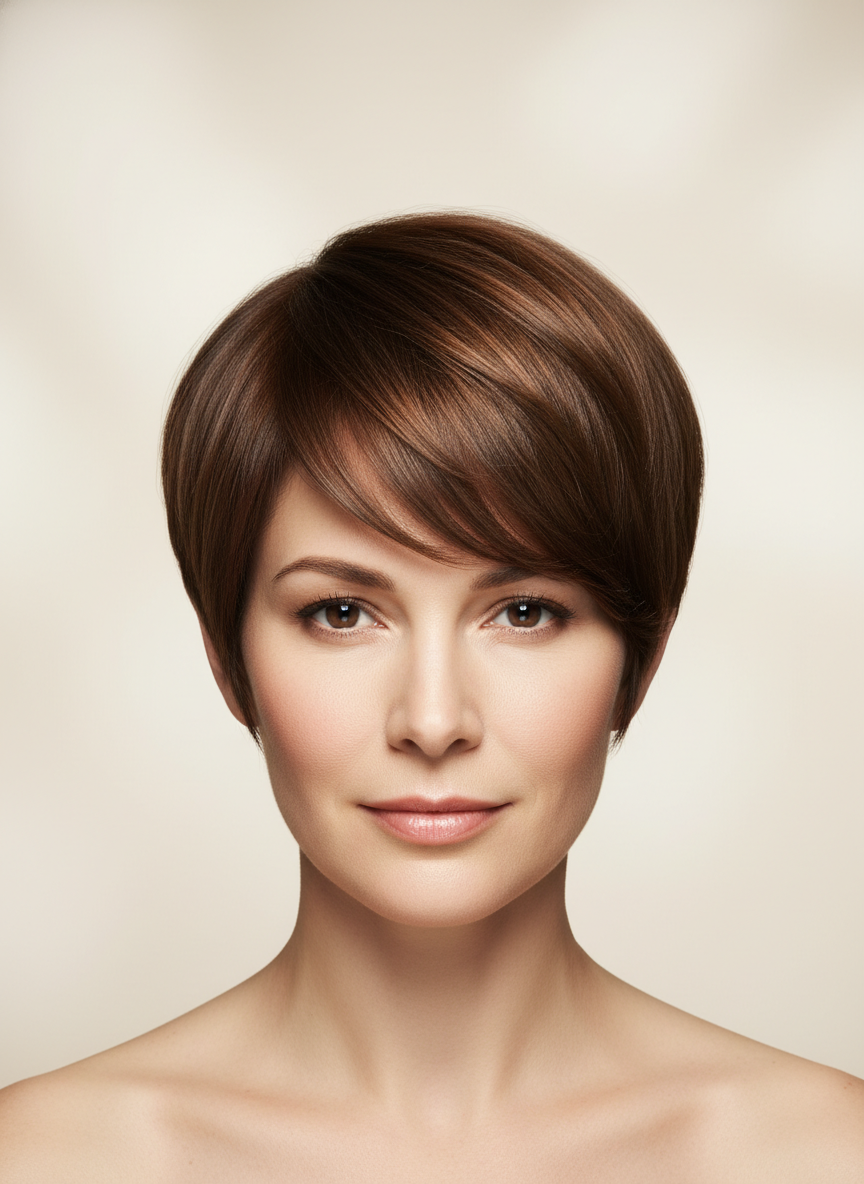
Classic Angled Bob
A classic angled bob uses a clear, gentle slope with a clean nape and face-framing front. It is the safest version if you want to try the angled shape without going too dramatic.
Best for: First-time angled bob wearers
Maintenance: Medium
short angled bob
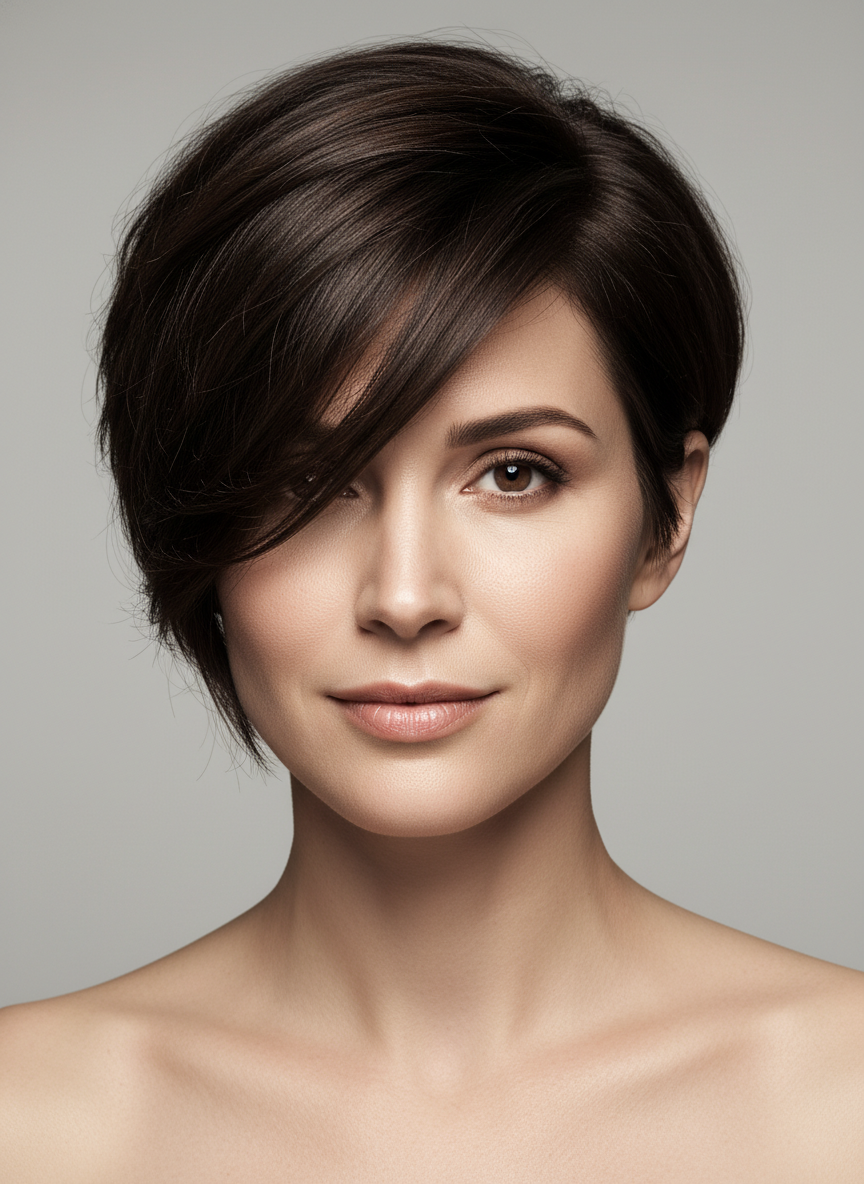
Short Angled Bob
A short angled bob keeps the back very short and brings the front just to the chin or jaw. It feels sharper, edgier, and easier to manage on busy mornings.
Best for: Sharper, compact angled silhouette
Maintenance: Medium
long angled bob
Long Angled Bob
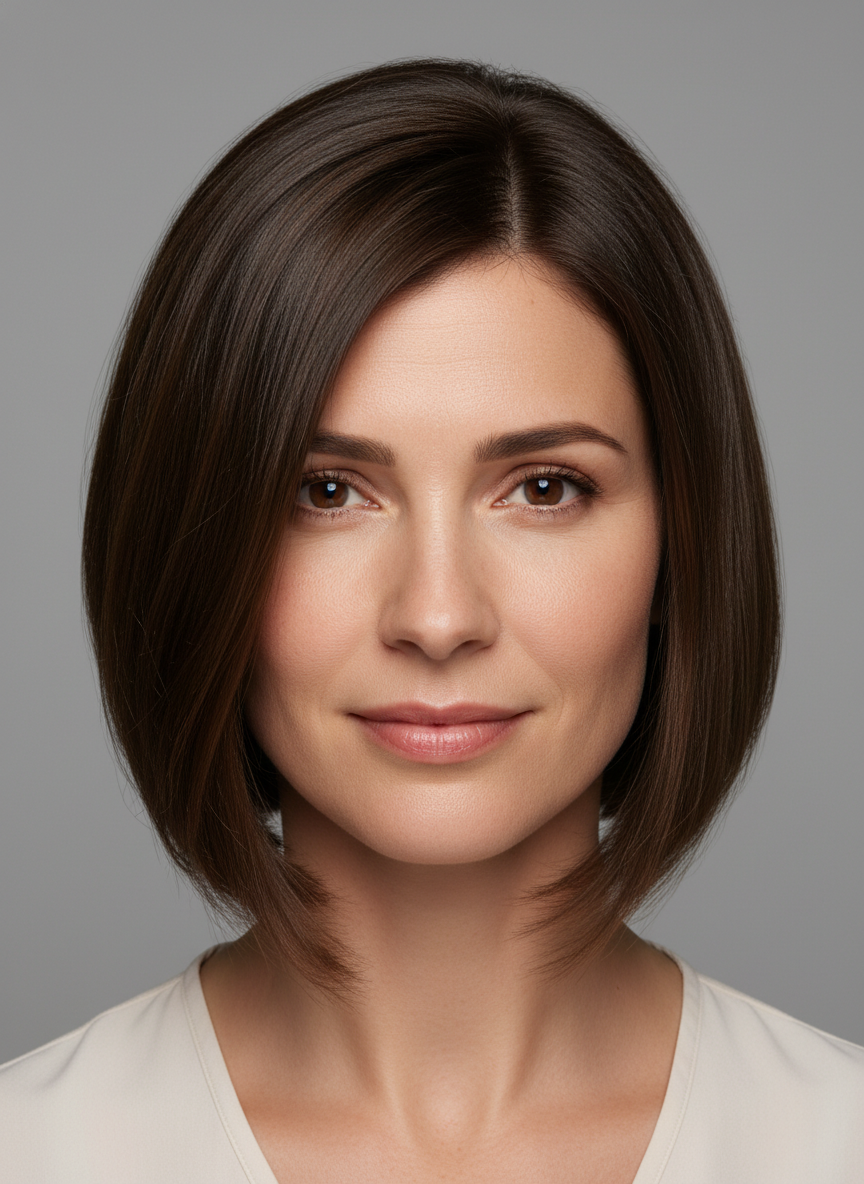
A long angled bob (also called a long A-line bob) drops the front toward the collarbone while keeping a short, neat back. It is the best angled choice for first-time bobs.
Best for: Safer, more conservative length
Maintenance: Medium
a-line bob
A-Line Angled Bob
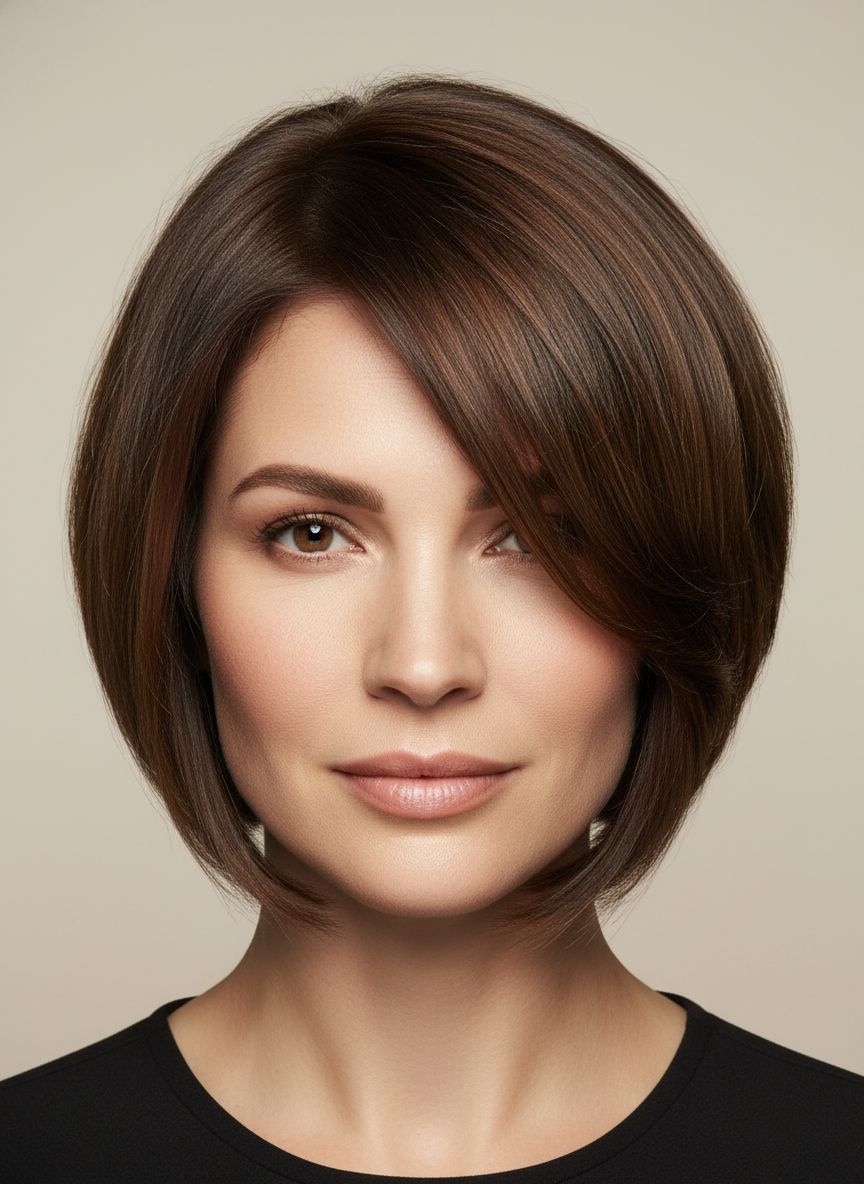
An A-line angled bob creates a clean, structural line from short back to longer front. It is one of the most searched angled bobs and works well for polished, modern looks.
Best for: Classic slanted bob shape
Maintenance: Medium
layered angled bob
Layered Angled Bob
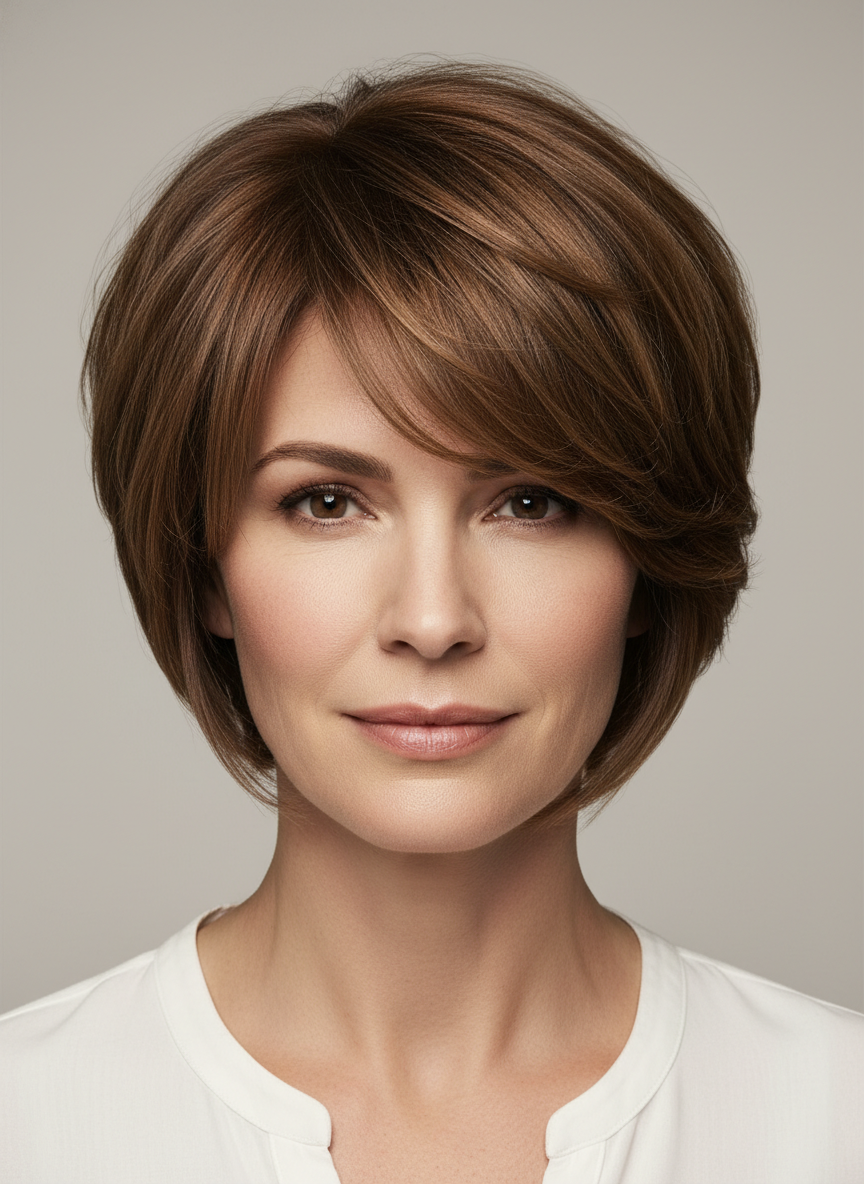
A layered angled bob uses light layers through the body of the hair to add movement. It is a strong choice if you want the angled shape but dislike a heavy, solid perimeter.
Best for: Movement and softer edges
Maintenance: Medium to high
stacked angled bob
Stacked Angled Bob
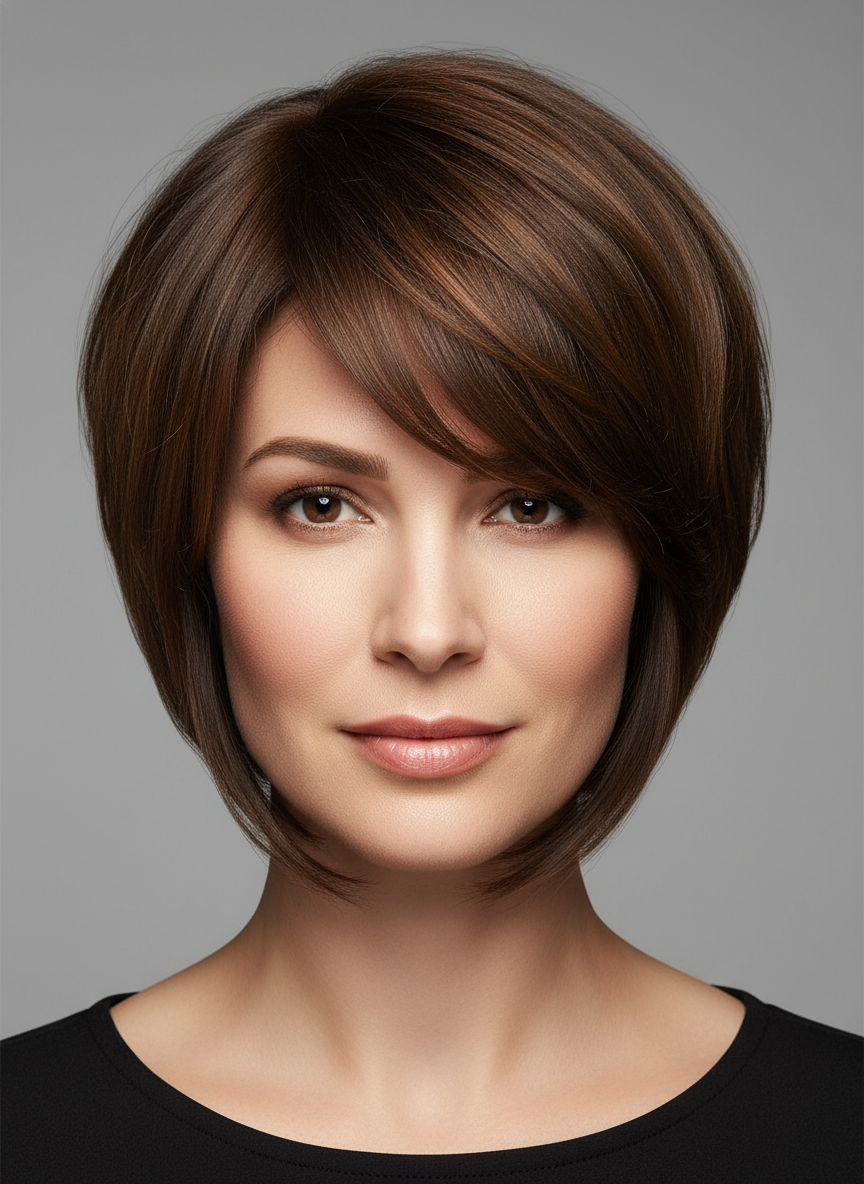
A stacked angled bob adds short, graduated layers in the back to create visible volume and a rounded nape. The front stays longer for the angled face-framing effect.
Best for: Volume in the back
Maintenance: Medium to high
wavy angled bob
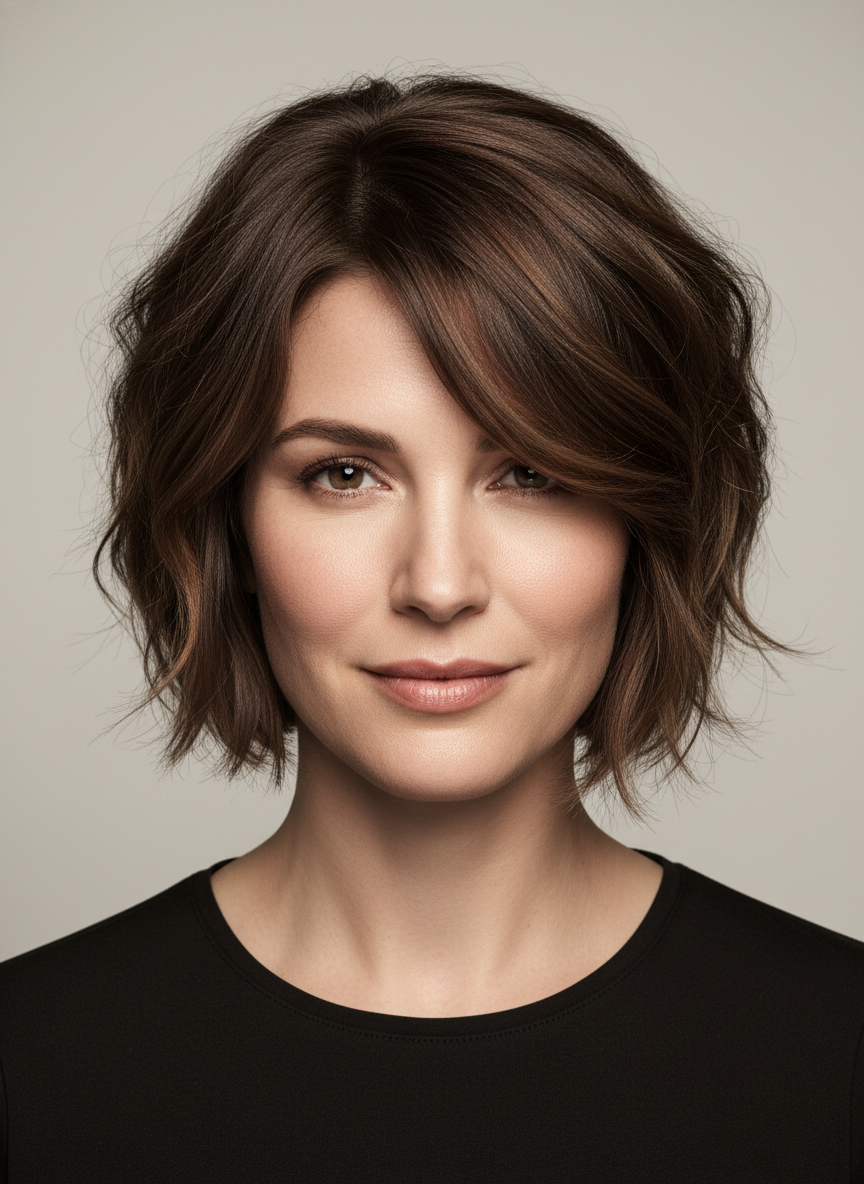
Wavy Angled Bob
A wavy angled bob combines the slanted shape with bends, loose waves, or natural texture. It is the friendliest angled bob for second-day hair and air-dried styling.
Best for: Natural texture and softness
Maintenance: Low to medium
angled bob with bangs
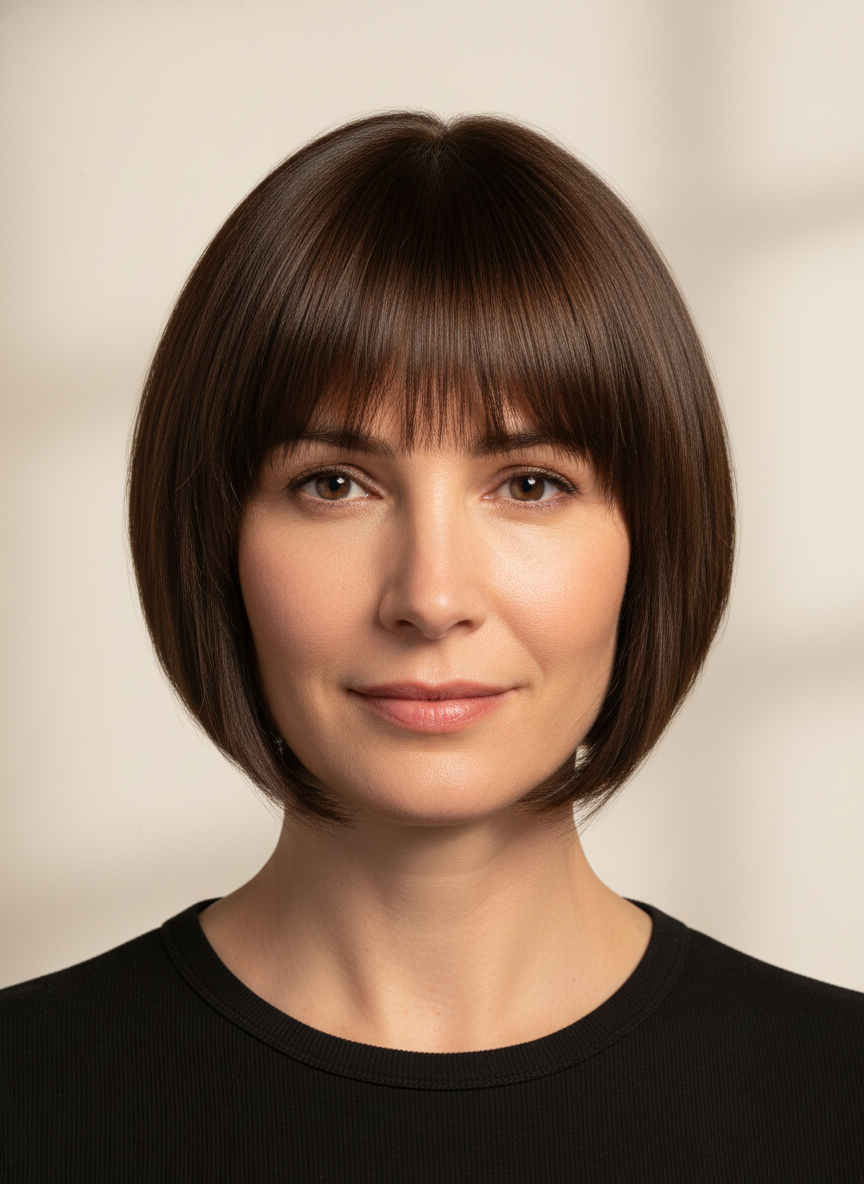
Angled Bob With Bangs
Pairing an angled bob with blunt, side-swept, or curtain bangs creates a graphic, finished look. Keep the bangs blended into the front pieces so the angle does not feel choppy.
Best for: Forehead framing and a softer front
Maintenance: Medium to high
Fit
Who Does an Angled Bob Suit?
An angled bob suits people who want a bob with a clear, sculpted shape. The best version depends on face shape, hair density, natural texture, and how much daily styling you are willing to do.
Oval faces
Most angled bob lengths work. Choose a subtle or dramatic angle based on how much face framing you want.
Round faces
A longer angled bob with the front dropping below the chin can lengthen the face and reduce width at the cheeks.
Square faces
A softer angle with light layering balances a strong jaw better than a sharp, dramatic slope.
Heart faces
A chin-to-collarbone angled bob can balance a wider forehead and narrower chin, especially with light bangs.
Long faces
Avoid making the front too long. A shorter angled bob that stops near the jaw keeps the face from looking more elongated.
Should You Try It?
Good choice if...
- You want a bob with a clear, sculpted shape.
- You like face-framing front pieces.
- You want a haircut that reads as polished and modern.
- You are willing to book trims every 6-8 weeks to keep the angle sharp.
Think twice if...
- You want a soft, one-length bob with no slope.
- You dislike maintenance trims to keep a defined shape.
- Your hairline or cowlicks fight against a clean, sculpted perimeter.
- You want to keep all of your length, especially in the back.
Comparison
Angled Bob vs Similar Bob Haircuts
Angled bob searches overlap with a-line bobs, inverted bobs, stacked bobs, soft bobs, and lobs. The main difference is the shape: an angled bob uses a slanted line, while each related cut has its own silhouette.
Angled Bob
A bob with a slanted line, shorter in the back and longer toward the front.
Face-framing structure with a modern shape.
A-Line Bob
A structured angled bob where the line from back to front is more graphic and intentional.
Clear, architectural side profile.
Inverted Bob
Shorter, often stacked at the back with the front extending noticeably past the chin.
High-contrast bob with more length in front.
Stacked Bob
A bob with graduated, stacked layers in the back for visible volume.
Volume and roundness in the nape area.
Soft Bob
A bob with softened ends, gentle layering, and no defined slope.
A relaxed, less structured bob outline.
Lob
A longer bob that usually sits near the shoulders or collarbone with little to no angle.
Keeping more length while staying in the bob family.
Styling
How to Style and Maintain an Angled Bob
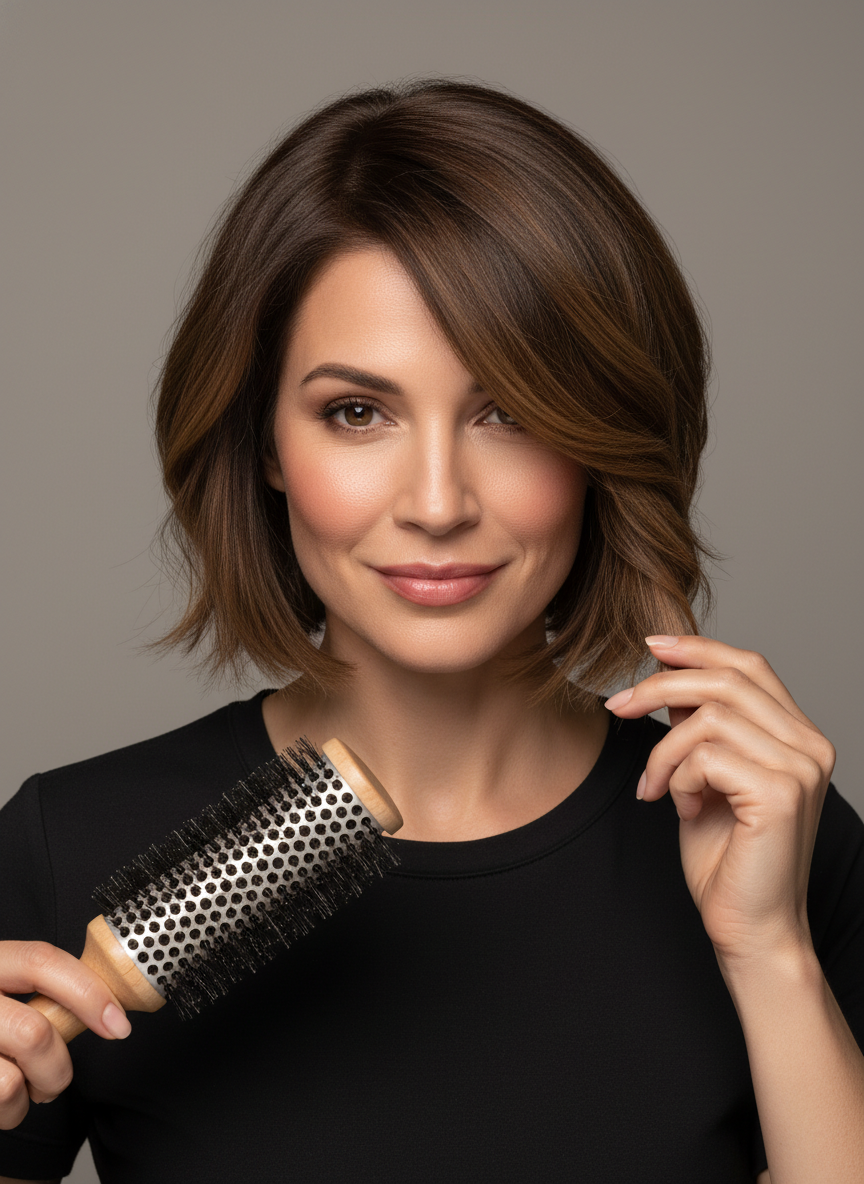
An angled bob needs just enough styling to make the angle visible. The goal is a smooth, sculpted finish that shows off the slope, with the front pieces landing cleanly around the face.
Blow-Dry the Front Pieces Forward
Direct the longer front pieces toward the chin and jaw so the angle reads from the moment you finish drying.
Smooth the Back and Sides
Use a flat brush or round brush to keep the back and sides close to the head so the slope stays clean.
Add a Touch of Texture or Polish
Finish with a smoothing cream for a sleek look or a light texture spray for a softer, wavy angled bob.
Trim Every 6-8 Weeks
Book regular trims so the angle and front length do not blur into a regular bob as the hair grows out.
AI try-on
Try Angled Bob Online Before You Cut
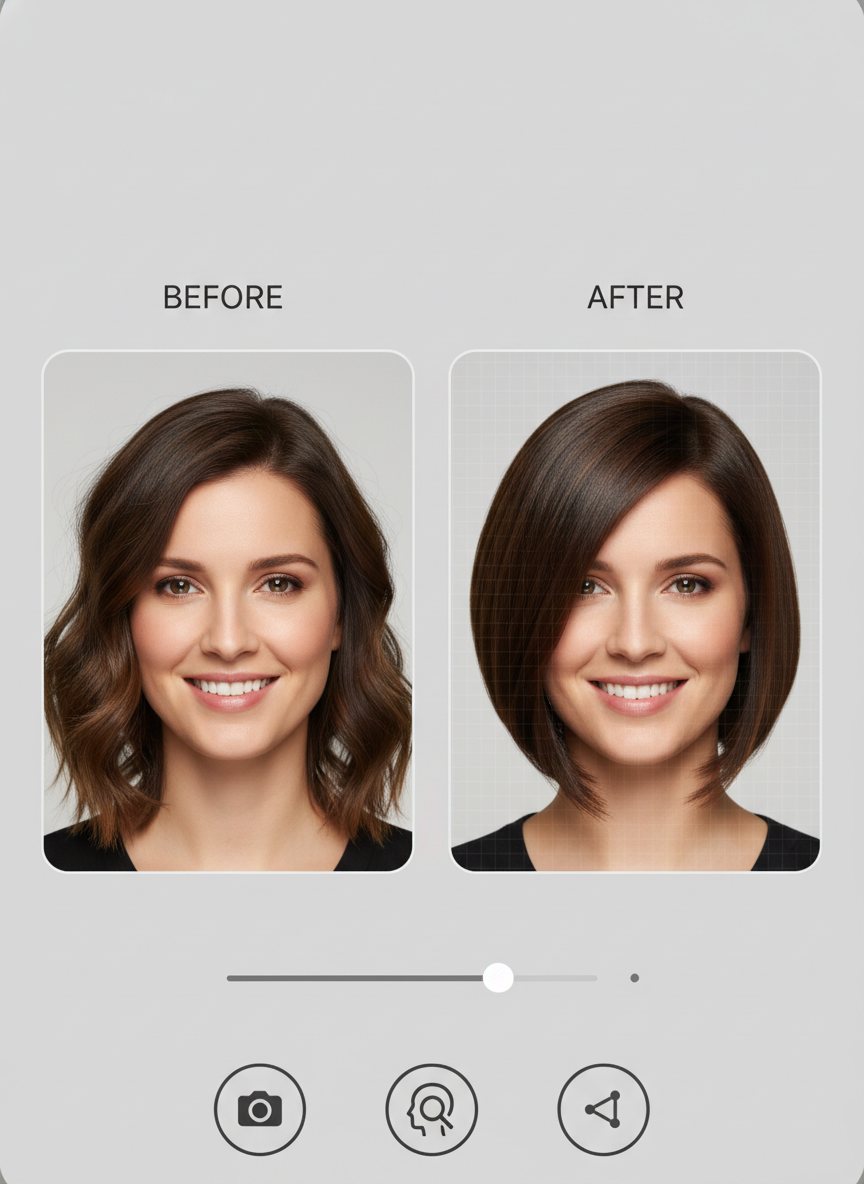
An angled bob changes your face frame immediately. Upload a clear selfie and preview a classic, short, long, layered, wavy, or stacked angled bob on your own photo before visiting a stylist.
Upload Your Photo
Use a front-facing selfie with your full hair and jawline visible so the AI can read your face shape.
Choose Angled Bob
Start with an angled bob preview, then compare short, long, layered, wavy, or stacked versions.
Generate Preview
Create an AI angled bob reference before booking a salon visit.
Save Your Favorite
Use the best preview as a stylist reference for angle, front length, and back shape.
Mistakes
Common Angled Bob Mistakes
Most angled bob regrets come from unclear communication or skipping maintenance. Avoid these common pitfalls before booking your appointment.
- Asking for an angled bob without specifying how subtle or dramatic the slope should be.
- Choosing a stacked or inverted reference when you actually want a soft angled bob.
- Skipping trims until the front length grows past your jaw and the angle disappears.
- Ignoring cowlicks, hairlines, or natural growth patterns that fight a clean, sculpted angle.
- Forgetting to ask how the back is finished, since the nape changes the overall shape.
FAQ About Angled Bob Hair
Related ideas
Related Bob Haircut Ideas
Explore nearby bob ideas before choosing the angled bob version you want to preview. Each link stays inside the female bob cluster.
A-Line Bob
Compare a sharper, more structured slanted bob shape.
Soft Bob
Try a softer, less structured bob if the angle feels too severe.
Collarbone Lob
Keep more length with a longer, collarbone-grazing bob.
Butterfly Bob
Add face-framing layers with movement around the cheekbones.
Bixie Cut
Try a shorter pixie-bob hybrid if you want to go even shorter.
AI Hairstyle Try-On
Upload a selfie and preview an angled bob on your own photo.
Generate an Angled Bob Preview
Upload your photo and preview an angled bob with TryHairNow AI before visiting a stylist. Compare short, long, layered, wavy, and stacked versions so your final reference is clearer.
- Private photo upload
- Fast AI hairstyle preview
Last updated: 2026-06-05 | Publisher: TryHairNow | AI hairstyle previews are reference images, not guaranteed salon outcomes. Bring reference photos to your stylist and confirm length, layer placement, hair density, and daily styling needs before cutting.